Aluminium Windows Open Now in Muldersdrift
May 12, 2026
Are Aluminum Windows Better Than Vinyl Windows? A Complete Comparison
May 12, 2026
Aluminum vs uPVC Windows: Which is Better in the Long Run?
Aluminum windows are generally better than uPVC in the long run because they offer superior durability, slimline aesthetics, and a significantly longer lifespan of up to 45 years. While uPVC provides excellent initial affordability, aluminum delivers a much higher return on investment and requires minimal maintenance to keep its structural integrity over decades.
Durability and Lifespan: Which Material Lasts Longer?
When investing in home renovations, durability is a top priority. While uPVC frames typically last 20 to 25 years before degrading, aluminum is a long-term asset that can last twice as long.
Aluminum is specifically engineered to withstand harsh environmental challenges:
- UV Resistance: It won’t discolour or become brittle under the intense South African sun.
- Corrosion Resistance: It naturally resists rust, making it ideal for coastal properties.
- Structural Rigidity: It does not warp or twist during extreme temperature fluctuations, keeping its structural integrity intact.
This longevity significantly boosts your property’s value, as buyers recognize they won’t need to replace fixtures for decades. If you’re looking for a durable, high-performance solution, aluminum effortlessly outlasts the competition.
Cost Comparison: Upfront Affordability vs Long-Term ROI
While uPVC is the budget-friendly choice initially, shifting your perspective toward long-term return on investment reveals significant savings. When you factor in its extended lifespan, the financial benefits of aluminum become clear:
- Zero Replacement Costs: Avoid the massive expense of a full-scale replacement two decades down the line.
- Lower Maintenance Fees: The durable powder-coated finish eliminates the need for specialized repairs or repainting.
- Increased Property Value: High-quality fixtures add tangible equity and curb appeal to your home.
Ultimately, the ROI of aluminum far outweighs the initial savings of uPVC. You are essentially paying a premium today to save a small fortune tomorrow.
Energy Efficiency and Thermal Performance
While metal frames were once considered poor insulators, modern engineering has debunked this myth. Modern aluminum frames now achieve exceptional energy efficiency by incorporating a thermal break; a highly insulative barrier that prevents heat transfer. When paired with high-quality double glazing, these systems keep your home warm in winter and cool in summer. This advanced technology ensures that aluminum’s thermal performance is now virtually identical to naturally insulative materials like uPVC.
- You reduce your monthly heating and cooling bills significantly.
- You minimise the risk of condensation forming on the inside of the glass.
- You maintain a consistent, comfortable indoor temperature year-round.
I strongly recommend that you never install aluminum fixtures without confirming they feature a modern thermal break. Once that technology is in place, the energy efficiency of both materials is virtually identical.
Aesthetics, Design, and Frame Profiles
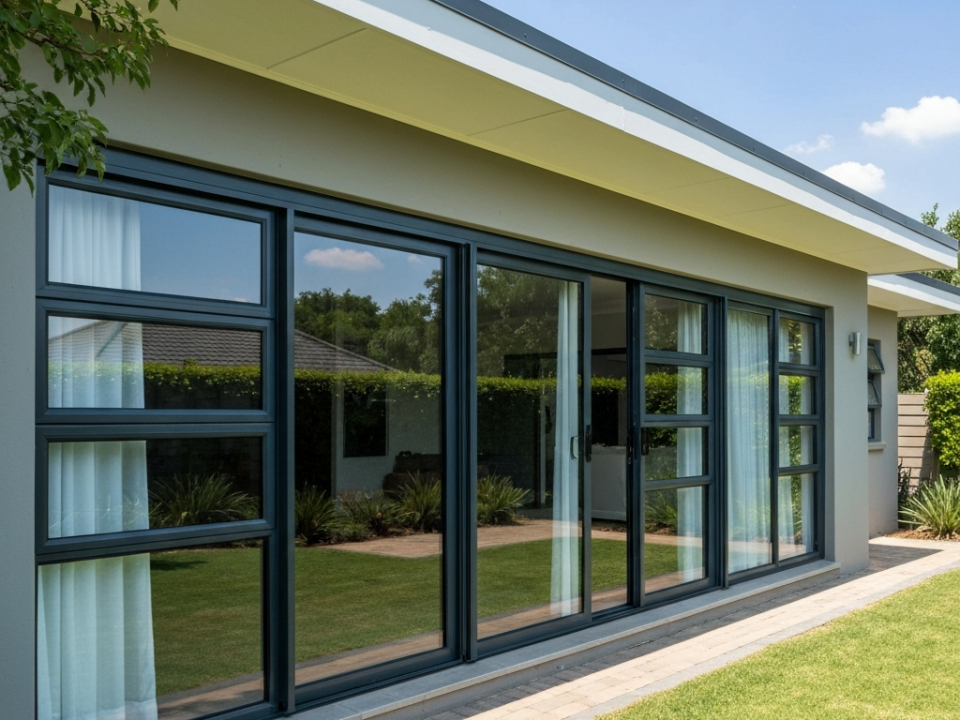
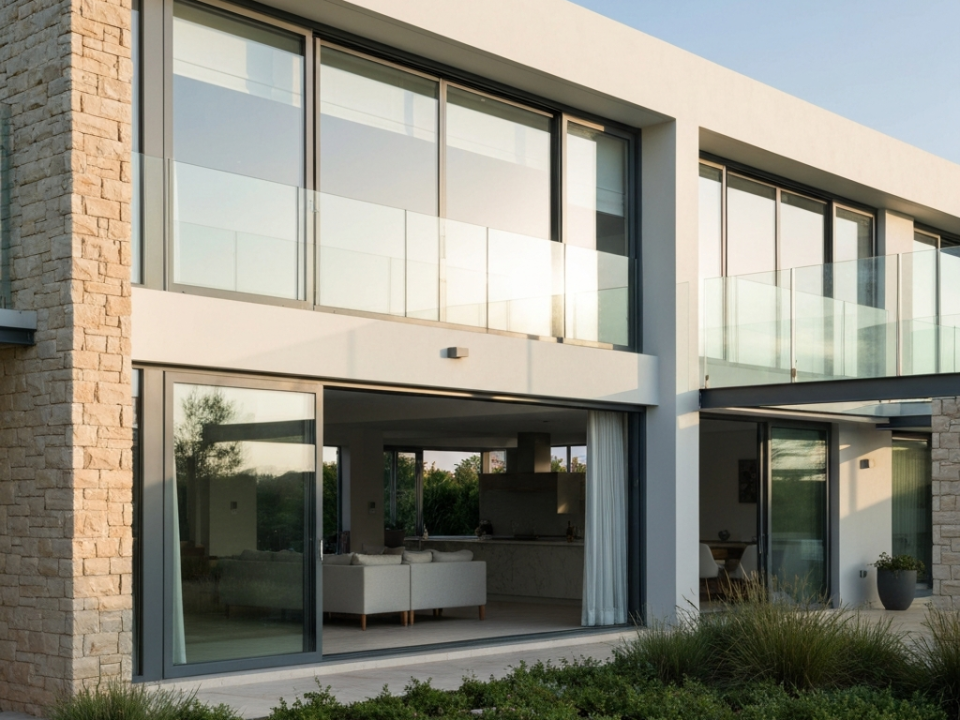
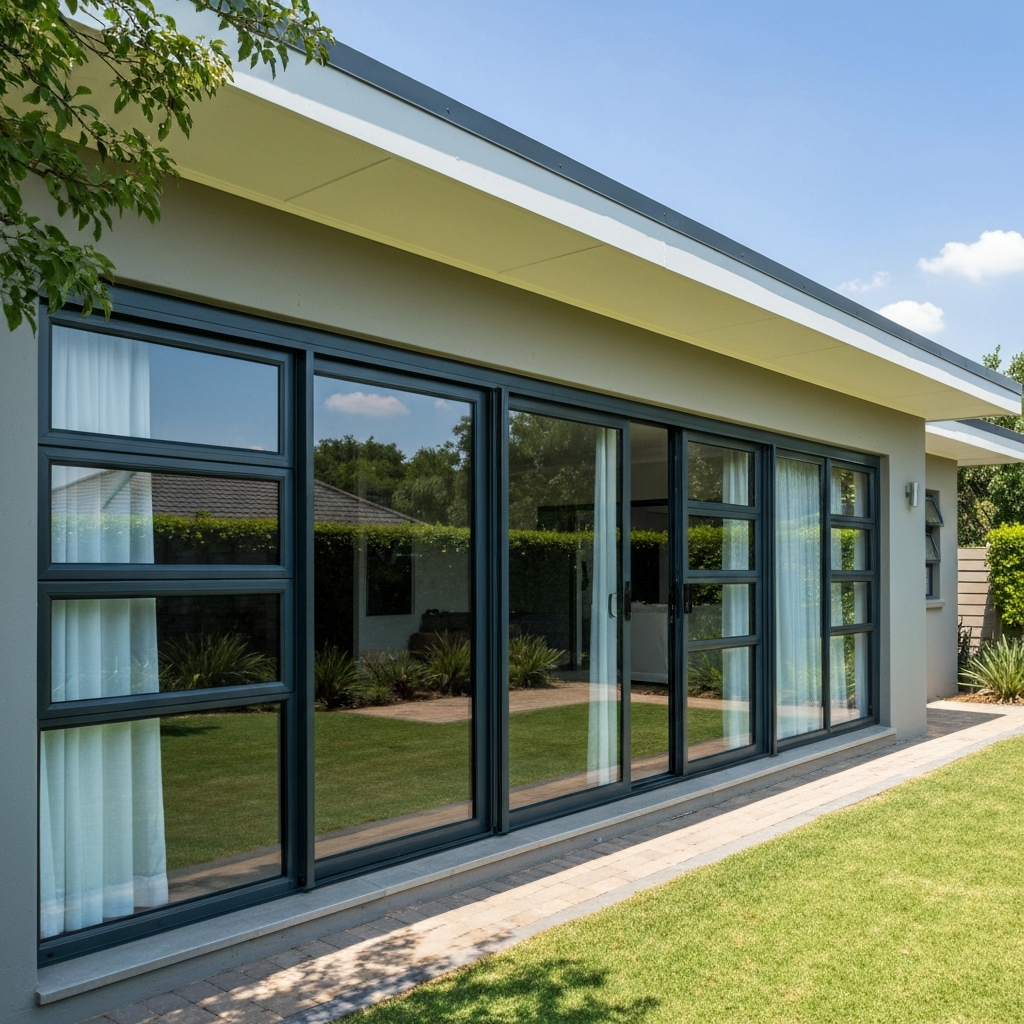
To transform your home into a modern, architecturally striking space, the choice of material is key. Aluminum allows for high-end configurations and slim profiles that uPVC simply cannot replicate safely at scale:
- Folding Stacking Doors: Create a seamless flow between indoor and outdoor living areas.
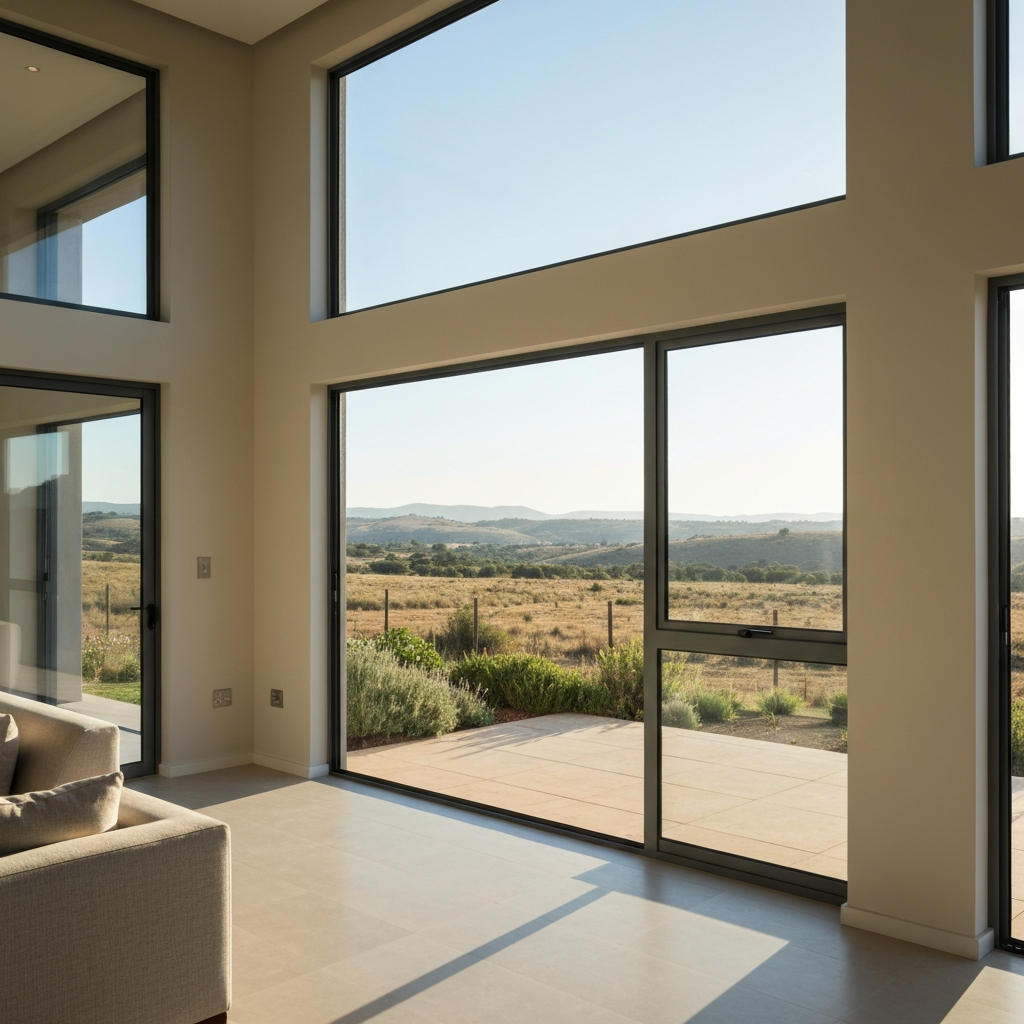
- Slimline Sliding Doors: Feature thin frames that maximize natural light and offer unobstructed views.
- Frameless Systems: Provide a minimalist aesthetic for modern balustrades and partitions.
- Custom Shopfronts & Facades: Tailored specifically for contemporary South African design trends.
The inherent strength of metal supports massive panes of glass with minimal sightlines. Furthermore, advanced powder coating offers unmatched color versatility without the risk of peeling or blistering. When paired with heavy glass, these precision-engineered frames also enhance soundproofing, ensuring a peaceful and quiet indoor environment.
Security Features and Maintenance Requirements
Beyond aesthetics, home security relies heavily on the structural integrity of your window frames. Aluminum’s natural tensile strength makes it incredibly difficult to breach or bend compared to uPVC, especially when paired with multi-point locking systems. While both materials are marketed as low-maintenance, aluminum holds its shape perfectly over decades. This ensures that locks and hinges stay aligned, maintaining a formidable, long-term physical barrier against intruders.
- uPVC requires occasional wiping down with soapy water to remove surface dirt.
- Over time, uPVC mechanisms may need adjusting as the plastic slightly expands and shifts.
- Aluminum requires the same basic cleaning but holds its shape perfectly, meaning locks and hinges stay perfectly aligned.
You will spend virtually zero time repairing or repainting powder-coated aluminum. Its maintenance requirements are practically non-existent beyond a quick wipe, giving you absolute peace of mind.
Transform Your Property with Aluminum Works
Now that you know the facts, it is time to upgrade your property with materials designed to last a lifetime. I highly recommend investing in high-quality, perfectly engineered aluminum fixtures that deliver exceptional security, sleek aesthetics, and outstanding thermal performance.
At Aluminum Works, we specialise in manufacturing and installing premium aluminum systems tailored to your specific architectural needs. Ready to enhance your home and secure a fantastic return on investment? Contact Aluminum Works today.
FAQs
What is the average lifespan of uPVC compared to aluminum windows?
Standard uPVC frames typically last between 20 and 25 years before showing signs of degradation. In contrast, aluminum frames can easily last up to 45 years or more, making them a far superior long-term investment.
Are aluminum windows significantly more expensive than uPVC?
Yes, the initial upfront cost of aluminum is generally 30 to 50 percent higher than uPVC. However, because aluminum lasts twice as long and adds permanent value to your property, the long-term return on investment is much better.
Which window material offers better thermal insulation and energy efficiency?
Both materials offer excellent thermal insulation. uPVC is a natural insulator, while modern aluminum uses a polyamide thermal break to prevent heat transfer. When paired with high-quality double glazing, both materials are highly energy efficient.
Do aluminum windows cause condensation without a thermal break?
Yes. Older aluminum frames without a thermal break conduct the cold from outside, causing warm, moist indoor air to form condensation on the cold metal. You must always ensure your new aluminum frames include modern thermal break technology.